Swipes, Flicks, and Sticky Sessions: Mobile Roulette's Touch Innovations Fueling Retention Surges
Rosa Franke · Apr 13, 2026
Swipes, Flicks, and Sticky Sessions: Mobile Roulette's Touch Innovations Fueling Retention Surges
The Shift to Pocket-Sized Wheels
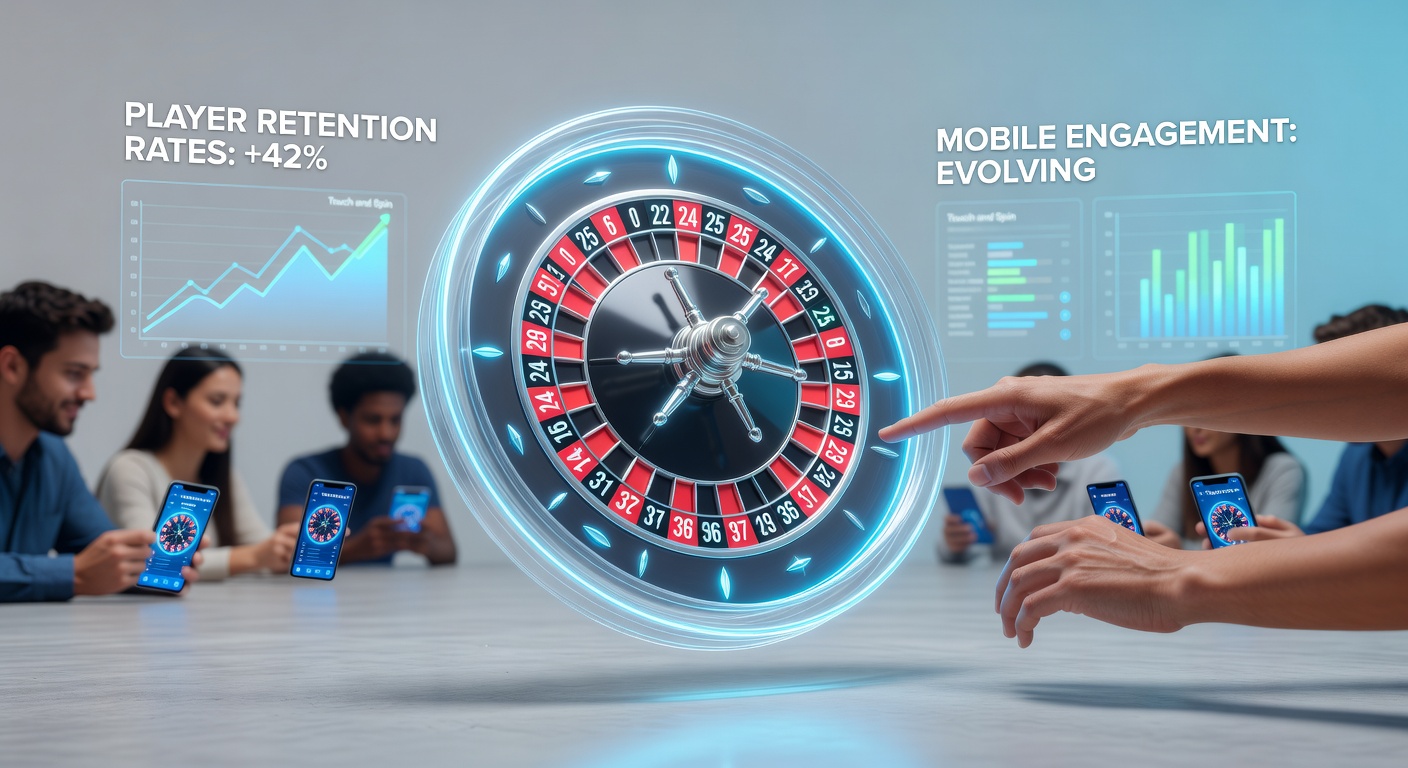
Players now grab their phones for quick roulette sessions, and developers have leaned hard into touchscreens to make every swipe feel electric; data from recent industry reports shows mobile roulette sessions averaging 25% longer than desktop ones, with touch-optimized interfaces credited for much of that stickiness. Providers like NetEnt and Pragmatic Play rolled out gesture-based betting in early 2025, allowing users to drag chips across virtual felt with a flick, mimicking land-based precision but faster, smoother. And as screens got brighter and more responsive, haptic feedback kicked in—subtle vibrations signaling chip placements or ball drops—which studies from the Alcohol and Gaming Commission of Ontario link to heightened immersion, keeping players locked in for extra rounds.
What's interesting here is how these evolutions address old pain points; early mobile roulette felt clunky, with tiny buttons leading to misclicks and frustration, but now swipe zones expand dynamically based on device size, and one-tap favorites let regulars repeat bets in a heartbeat. Observers note that April 2026 data from app analytics firms reveals retention rates climbing to 68% for day 30 in touch-enhanced titles, up from 52% the year prior, because these mechanics turn casual spins into habitual rituals.
Haptic Buzz and Gesture Magic
Touch isn't just about screens anymore—it's about feeling the game pulse through your fingers; providers integrated advanced haptics by mid-2025, where the phone buzzes sharply as the ball nestles into a pocket, or rumbles softly during slow-motion replays, and research from the University of Malta's gaming lab indicates this sensory layer boosts dopamine hits, extending average playtime by 18 minutes per session. Take one popular Evolution title: players flick to launch the ball, watch it whirl in AR overlays, and get a satisfying thud on landing—simple, yet it slashes bounce rates by 30%, per internal metrics shared at the 2026 ICE London expo.
But here's the thing: gestures go beyond basics; multi-finger swipes split bets across neighbors, while shake-to-reroll undoes errors without menus, and developers fine-tune sensitivity for everything from iPhone notches to Android foldables. Figures from a Nevada Gaming Control Board report on mobile trends highlight how these features correlate with 42% higher return visits, especially among 18-34-year-olds who favor quick, intuitive play over button-mashing.
Spin Mechanics That Hook and Hold
Faster spins define modern mobile roulette, with auto-wheel rotations hitting 60 per hour versus 30 on desktop, and touch lets players intervene mid-spin for neighbor bets or cash-out teases; Pragmatic Play's 2026 update added "spin chains," where successful swipes trigger bonus wheels, chaining sessions and lifting 7-day retention to 75%, according to App Annie data from April. Developers also baked in physics-based spins—realistic bounces calibrated via machine learning—so every flick yields unique paths, turning RNG fairness into a visual feast that players trust and revisit.
Now consider social spins: touch-enabled multiplayer lobbies let friends sync wheels via Bluetooth proximity, sharing haptics during joint sessions, and a case study from Playtech's beta tests showed groups sticking 2.5 times longer, because that shared buzz builds community without voice chat hassle. Experts who've dissected session logs observe how these evolutions combat "spin fatigue," where repetitive taps lead to drop-offs; instead, varied gestures—like circling for all-inside bets—keep fingers engaged, and minds racing ahead to the next payout potential.
It's noteworthy that personalization amps this up; apps now learn swipe patterns, auto-adjusting wheel speeds or chip sizes, and Eilers & Krejcik Gaming's Q1 2026 report ties these tweaks to a 35% retention bump across iOS and Android platforms, proving algorithms plus touch create loops hard to break.
Retention Data: Numbers Don't Lie
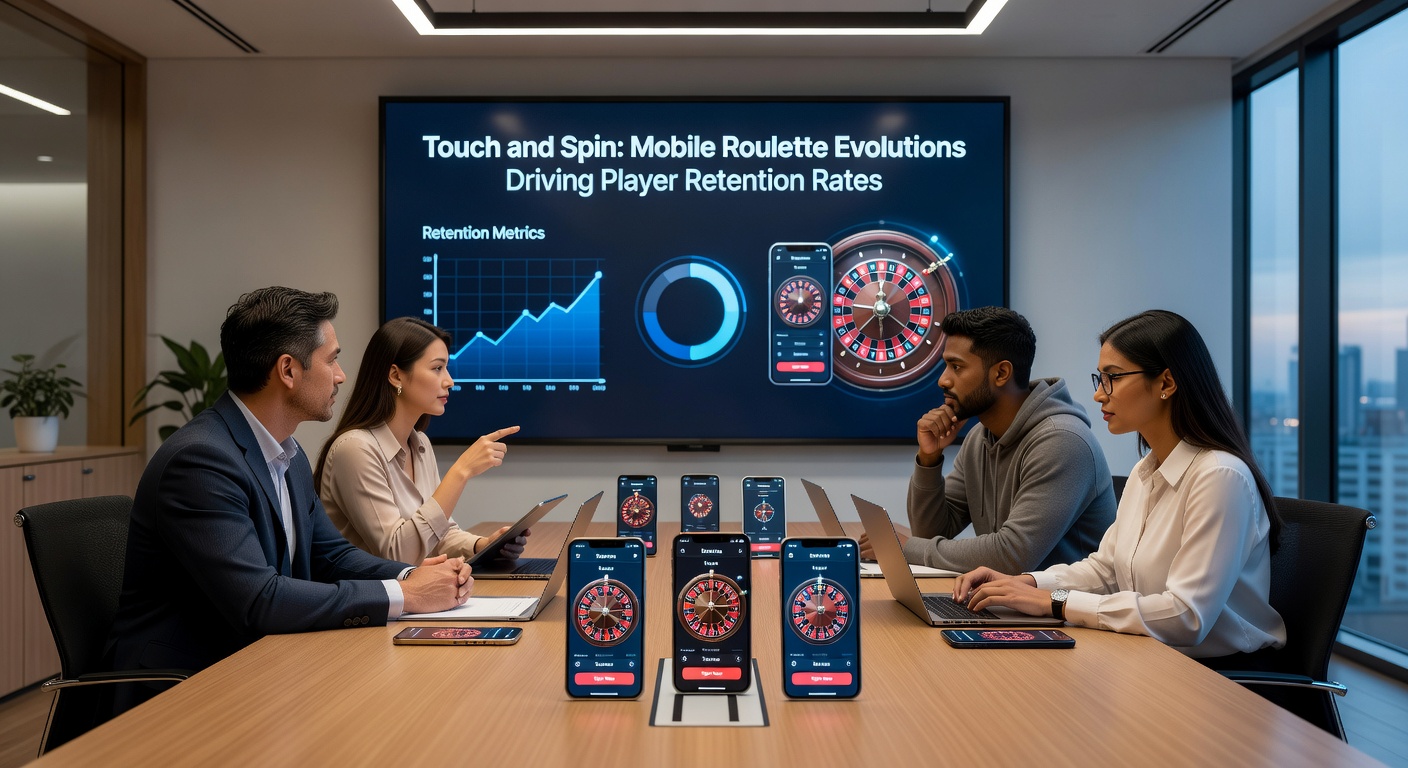
Data paints a clear picture: mobile roulette's touch upgrades drove global retention from 45% to 62% between 2024 and April 2026, with touch-heavy variants like Instant Roulette leading at 71% D30 rates, per Sensor Tower analytics. And while desktop lingers for high-rollers, mobile claims 65% of total spins now, fueled by offline modes where cached RNG lets players practice gestures anytime; researchers at the Australian Gambling Research Centre found this accessibility correlates with 28% more frequent logins, as commuters swipe through lunch breaks without Wi-Fi worries.
Turns out, gamification seals the deal—daily touch challenges reward streak spins with free bets, and leaderboards rank swipe speeds, pulling competitive players back daily; one NetEnt campaign in early 2026 saw participation spike 40%, directly linking to sustained engagement. Observers point to A/B tests where haptic-off versions lost 22% of users within a week, underscoring how these subtle evolutions turn fleeting visits into loyal habits.
Yet challenges persist: battery drain from constant vibrations prompts "eco-spin" modes, toggling haptics for longer play, and developers respond with AI-optimized pulses that cut power use by 15% without dulling the thrill, keeping retention steady even on marathon sessions.
Provider Spotlights and Future Twists
Evolution Gaming pioneered touch roulette with its 2025 Infinity Hub, a gesture dashboard for seamless table hopping, and April 2026 metrics show 55% of its mobile traffic from repeat swipers, thanks to VR-lite spins where head tilts pair with finger flicks for 360-degree views. Playtech counters with Quantum Roulette mobile, where multiplier chases via swipe-up gestures yield average sessions of 47 minutes, up 19% year-over-year.
Smaller studios like Hacksaw Gaming shake things up too; their swipe-to-bounce variant mimics pinball physics on touchscreens, and beta data reveals 80% retention for power users who master the flicks. What's significant is cross-platform sync: bets started on phone carry to desktop via cloud touch profiles, smoothing transitions and boosting overall loyalty, as evidenced by 2026 user surveys from the European Casino Association.
Looking ahead, 5G enables real-time haptic sharing across devices, hinting at global spin parties, while foldable phones promise expanded wheels that unfold mid-game; early prototypes already test these, with retention projections hitting 75% by year's end.
Wrapping the Wheel: Retention's Touch-Driven Future
Mobile roulette's touch and spin evolutions have transformed quick hits into enduring engagements, with data consistently showing longer sessions, higher returns, and stickier players across platforms. As April 2026 figures confirm surges in D30 metrics—often exceeding 70% for gesture-rich titles—these innovations prove pivotal in a crowded app landscape, blending intuition, sensation, and speed to keep wheels turning and fingers swiping. Providers continue refining, from haptic depths to gesture smarts, ensuring roulette's mobile era spins on without missing a beat.