Software Providers' Control Over Roulette Variants in Mobile Casino Platforms
Rosa Franke · Jul 10, 2026
Software Providers' Control Over Roulette Variants in Mobile Casino Platforms
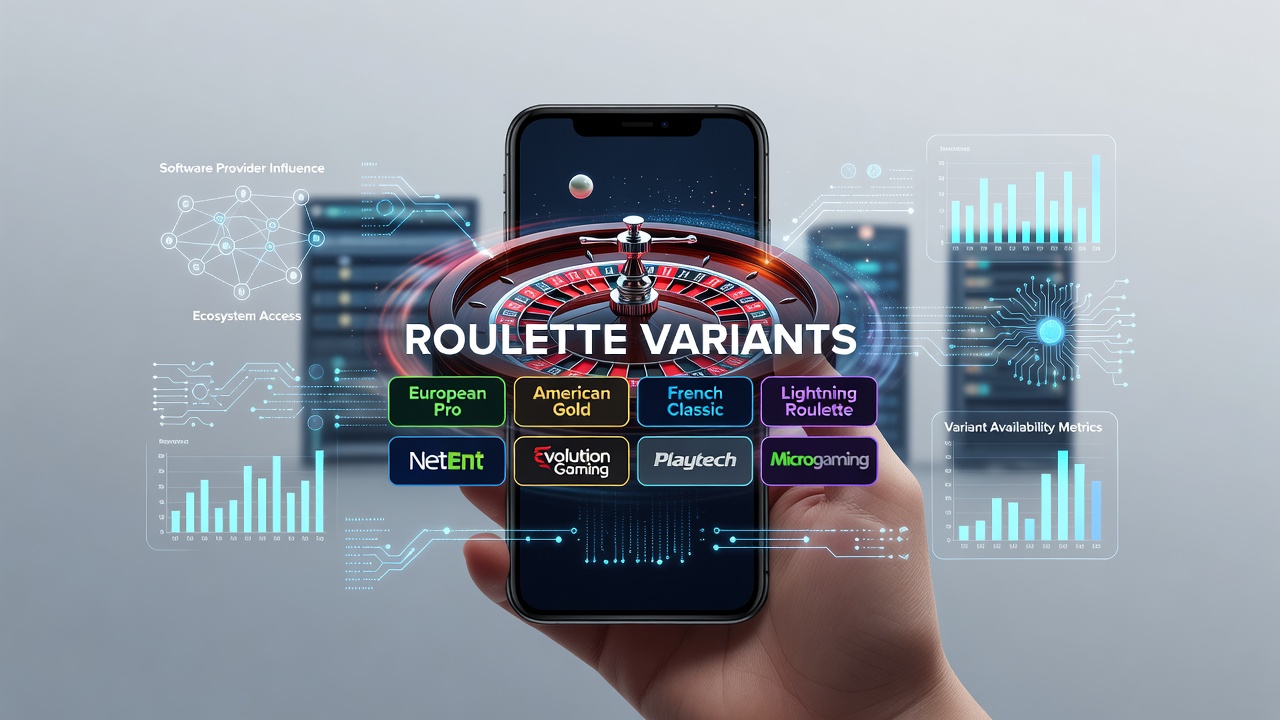
Software providers shape which roulette variants appear on mobile casino apps and sites through technical choices, licensing deals, and integration priorities that operators must follow, and these decisions determine whether users see European, American, French, or specialized live dealer versions when they open an app in July 2026. Mobile ecosystems rely on providers for the core game engines, random number generators, and user interfaces, so access to specific variants often depends on which company supplies the platform rather than operator preference alone.
Core Technical Decisions by Providers
Providers build the underlying code that runs roulette wheels and betting layouts, and they decide which rule sets to include in each release; this means a single provider can enable European roulette with its single zero while omitting American double-zero versions across all mobile deployments for a given client. Data from industry reports shows that technical constraints such as screen size optimization and touch interface requirements push providers to prioritize certain variants over others during development cycles, and operators receive only the pre-configured options that match their contract terms.
Random number generator certification further limits variant availability because each game must pass jurisdiction-specific testing, and providers often bundle only the certified titles that meet multiple regional standards at once. Those who've examined deployment logs note that mobile apps frequently launch with fewer variants than desktop counterparts simply because providers allocate fewer resources to adapting every rule variation for smaller screens and variable network conditions.
Partnership Structures and Variant Rollouts
Licensing agreements between providers and operators dictate rollout schedules, and contracts frequently include clauses that restrict certain variants to premium tiers or specific geographic markets. One study revealed that providers grant early access to new French roulette versions to larger operators while smaller mobile-focused brands receive only basic European and American options until later updates. These staggered releases create uneven availability across different casino apps even when users seek identical games.
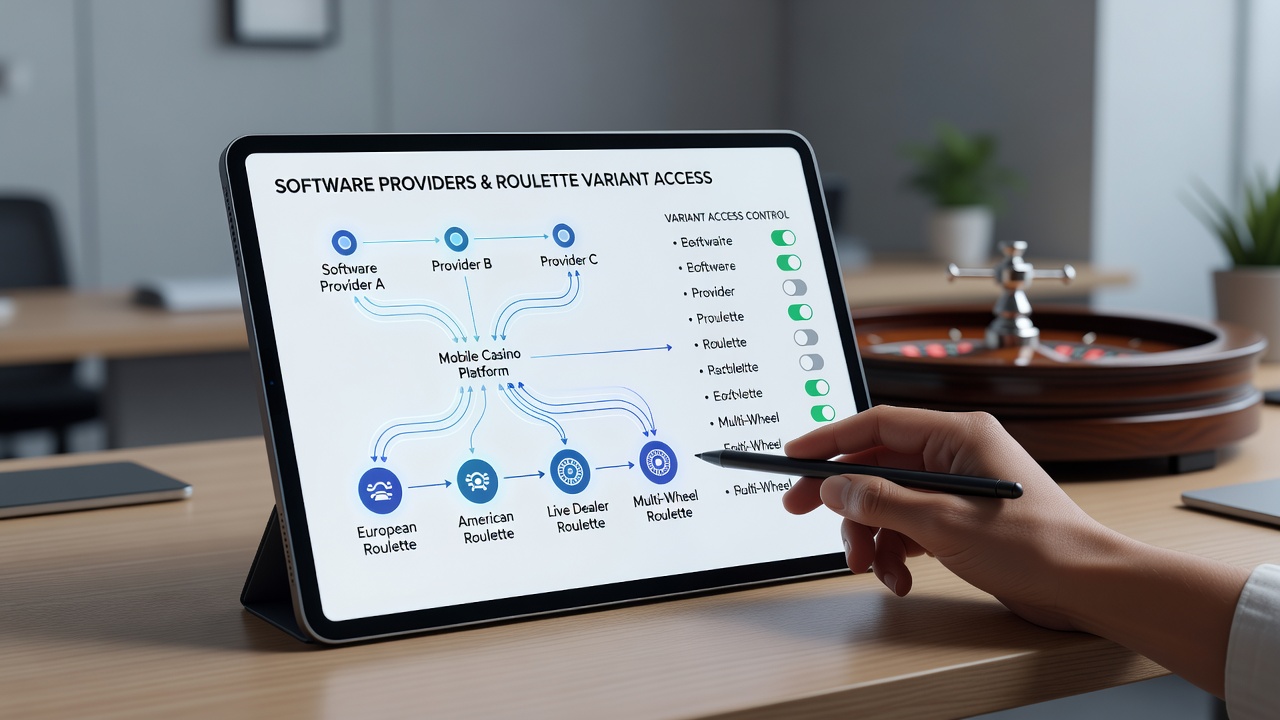
Providers also control API access that allows operators to add custom variants, and limited documentation or higher integration fees can discourage additions of less common formats such as multi-wheel or mini-roulette experiences. Research indicates that mobile casino ecosystems therefore reflect provider priorities more than consumer demand patterns in many regions.
Regulatory and Market Influences on Access
Jurisdictional rules affect which variants providers can legally supply to mobile platforms, and companies adjust their catalogs accordingly to maintain compliance across borders. Figures from gaming authorities in multiple regions show that providers maintain separate builds for markets with strict single-zero requirements versus those permitting double-zero layouts, and operators must select providers whose portfolios match their licensed territories. This filtering process reduces the total number of variants visible to users in any single app.
Market data collected through 2025 and into July 2026 highlights continued growth in mobile roulette participation, yet the expansion has not translated into broader variant choice because providers concentrate development on high-volume titles that perform well across multiple operators. Observers note that live dealer roulette, which requires additional streaming infrastructure, appears in fewer mobile apps than RNG-based versions for exactly these resource allocation reasons.
Examples from Major Provider Catalogs
Take one provider that supplies dozens of mobile operators: its standard mobile package includes European roulette with quick-play modes and an American version with adjusted payout displays, while French roulette appears only when an operator pays for an extended integration package. Another provider focuses exclusively on live dealer variants and offers no RNG options at all, forcing operators to source from multiple vendors if they want both automated and streamed experiences on the same app. People who've tracked catalog changes over successive years find that these package structures remain stable even as new hardware supports more complex features.
Case examples from North American and European deployments show operators switching providers primarily to gain access to specific variants unavailable from their current supplier, and such migrations often require full app rebuilds that delay rollout timelines by several months. Data indicates that smaller operators rarely make these switches due to the associated costs and instead accept the variant limitations built into their existing agreements.
Future Trends in Mobile Roulette Delivery
Providers continue to invest in cross-platform engines that allow a single codebase to support multiple variants through modular rule settings, yet adoption remains gradual because legacy systems still underpin many active mobile casinos. Reports from industry associations project incremental increases in variant diversity by late 2026 as these engines mature, though the pace depends on how quickly operators update their contracts and certification processes. Geographic differences persist, with providers tailoring offerings to match regional preferences documented in usage statistics rather than introducing every possible variant universally.
Technical partnerships with device manufacturers also influence outcomes because certain graphics and processing requirements favor specific roulette presentations on newer handsets, and providers optimize accordingly. Those monitoring these developments find that variant access expands most readily where regulatory frameworks already support multiple rule sets and where operators maintain direct relationships with several providers simultaneously.
Conclusion
Software providers determine roulette variant access in mobile casino ecosystems through a combination of technical design choices, contractual terms, certification requirements, and resource allocation decisions that operators inherit rather than create. Data from regulatory bodies and industry sources confirms that these provider-level factors produce noticeable differences in available games across apps and regions, and the pattern shows no sign of rapid change even as mobile participation continues to rise. Observers tracking the sector in July 2026 see continued reliance on provider catalogs as the primary gatekeeper for which roulette experiences reach end users.