RNG Certifications Shape Platform Transitions Across Wheel Gaming Ecosystems
Uma Flores · Jun 15, 2026
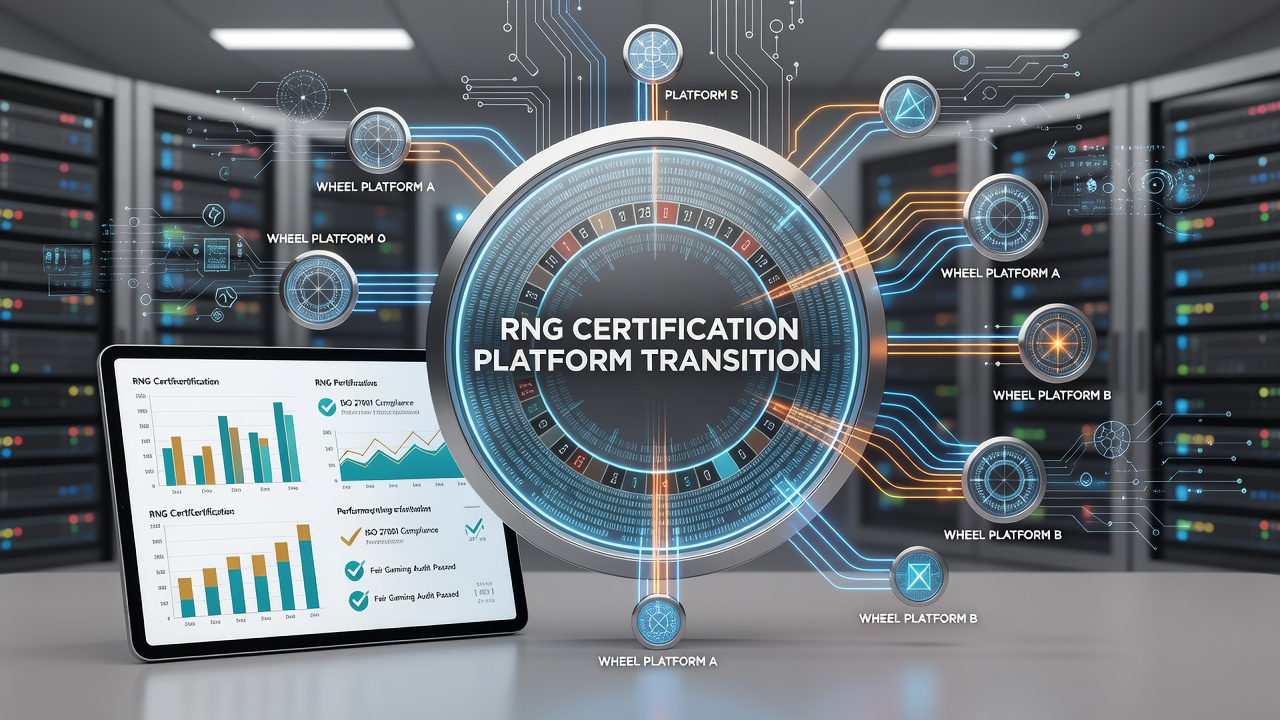
RNG Certifications Shape Platform Transitions Across Wheel Gaming Ecosystems
Wheel gaming platforms rely on certified random number generators to maintain fairness during every spin and outcome, while operators regularly migrate between software environments to accommodate new hardware, regulatory updates, and player demands. Certifications issued by independent laboratories verify that RNG algorithms produce unpredictable results within defined statistical parameters, and these validations become critical checkpoints when platforms undergo structural changes.
Core Components of RNG Certification Protocols
Laboratories such as Gaming Laboratories International and iTech Labs evaluate RNG implementations against standards that include entropy sources, seed generation methods, and long-term statistical distribution tests. Operators submit source code, hardware specifications, and output logs for analysis, after which successful evaluations receive formal certificates that regulators reference during licensing reviews. These certificates typically cover both live dealer interfaces and fully automated wheel simulations, ensuring consistent randomness regardless of delivery method.
Data from multiple jurisdictions shows that certification cycles average between 12 and 18 months before renewal becomes necessary, although major code revisions trigger immediate re-evaluation. Platform transitions introduce additional layers because new environments may alter memory allocation, threading models, or external API connections that indirectly affect RNG behavior.
Platform Migration Triggers and Technical Implications
Operators initiate platform shifts for reasons ranging from cloud infrastructure upgrades to integration with emerging payment rails and mobile frameworks. When a wheel gaming operator moves from a legacy monolithic architecture to a microservices model, the RNG module often requires re-isolation and re-testing because timing dependencies and random seed handling change. Research indicates that even minor modifications to surrounding code can influence the statistical properties of generated sequences if proper isolation measures are absent.
June 2026 marks a period when several major wheel gaming providers completed scheduled migrations to next-generation servers compliant with updated data-center efficiency rules, prompting parallel RNG recertification efforts. During these transitions, developers maintain parallel environments to allow side-by-side comparison of certified and new RNG outputs before full cutover occurs.
Regulatory Oversight During Cross-Platform Movements
Regulatory bodies in Canada and Australia require operators to notify authorities before any platform change that could affect certified RNG modules, and they mandate fresh laboratory reports prior to public deployment. The process ensures continuity of player protection standards while allowing technological advancement. Observers note that jurisdictions with centralized testing databases experience shorter approval windows because prior certification records remain accessible for comparison.
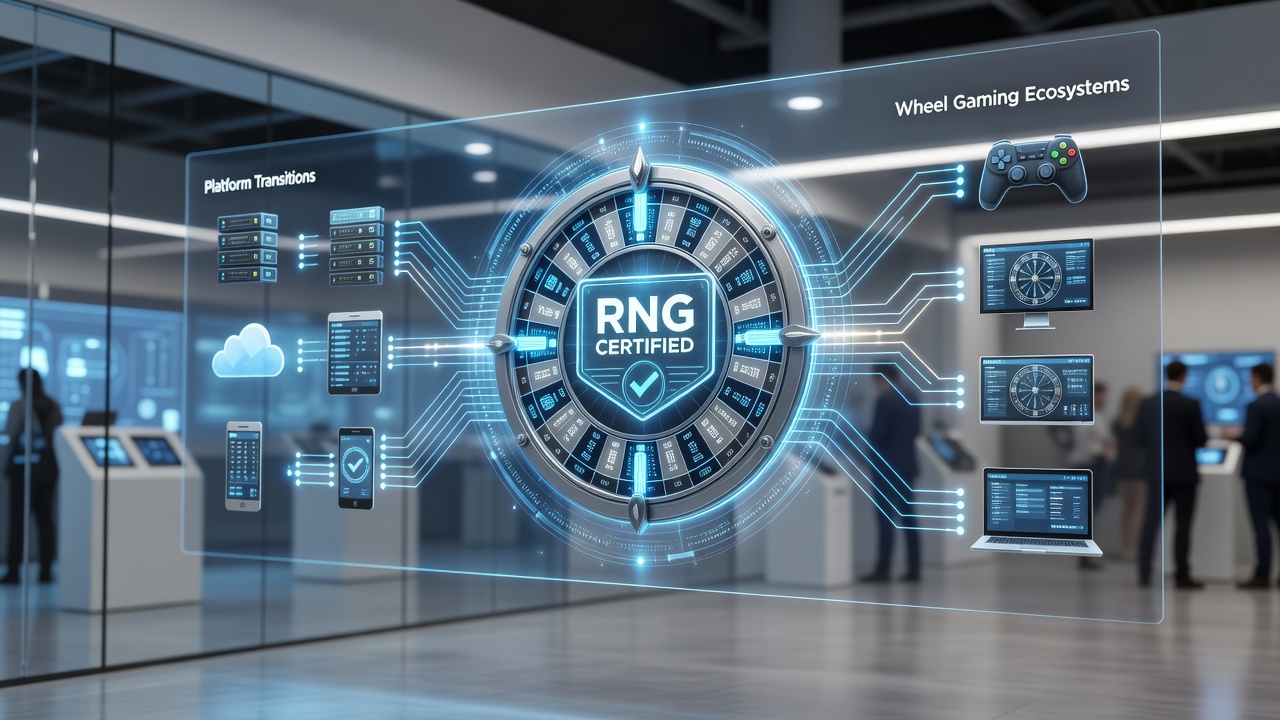
Take one case where a European operator transferred its wheel gaming suite to a North American cloud provider. Laboratory personnel re-ran full entropy assessments and distribution analyses on the relocated RNG instances, confirming that network latency variations did not introduce detectable patterns. The operator received updated certification documents within eight weeks, enabling uninterrupted service across regions.
Integration Challenges and Verification Methods
Platform transitions frequently involve new operating systems, container orchestration tools, or hardware security modules that host the RNG. Each change necessitates verification that the entropy pool remains robust and that seed injection mechanisms resist external manipulation. Engineers employ continuous monitoring scripts that compare real-time output against expected statistical models, flagging deviations for immediate investigation.
Industry reports from research institutions highlight that automated regression suites now incorporate certification-specific test vectors, allowing teams to detect compliance issues during early development stages rather than after migration completion. Such proactive measures reduce the risk of extended downtime while operators await laboratory sign-off.
Future Trajectories for Certified Wheel Gaming Systems
As wheel gaming ecosystems incorporate blockchain-based settlement layers and enhanced live-streaming capabilities, RNG certification frameworks continue to evolve alongside them. Laboratories expand test suites to address hybrid environments where on-chain randomness supplements traditional algorithmic generators. Regulatory coordination across borders supports standardized documentation formats that streamline recertification when operators shift between platforms located in different jurisdictions.
Conclusion
RNG certifications function as foundational checkpoints that operators must navigate whenever wheel gaming platforms undergo structural transitions. The intersection of these two domains determines both the pace of technological adoption and the continuity of regulatory compliance across global markets. Organizations that align migration timelines with laboratory evaluation schedules maintain operational stability while meeting evolving technical and jurisdictional requirements.