Multi-Wheel Mayhem: Rapid Roulette's Blitz Through High-Speed Spins
Dana Hansen · Mar 21, 2026
Multi-Wheel Mayhem: Rapid Roulette's Blitz Through High-Speed Spins
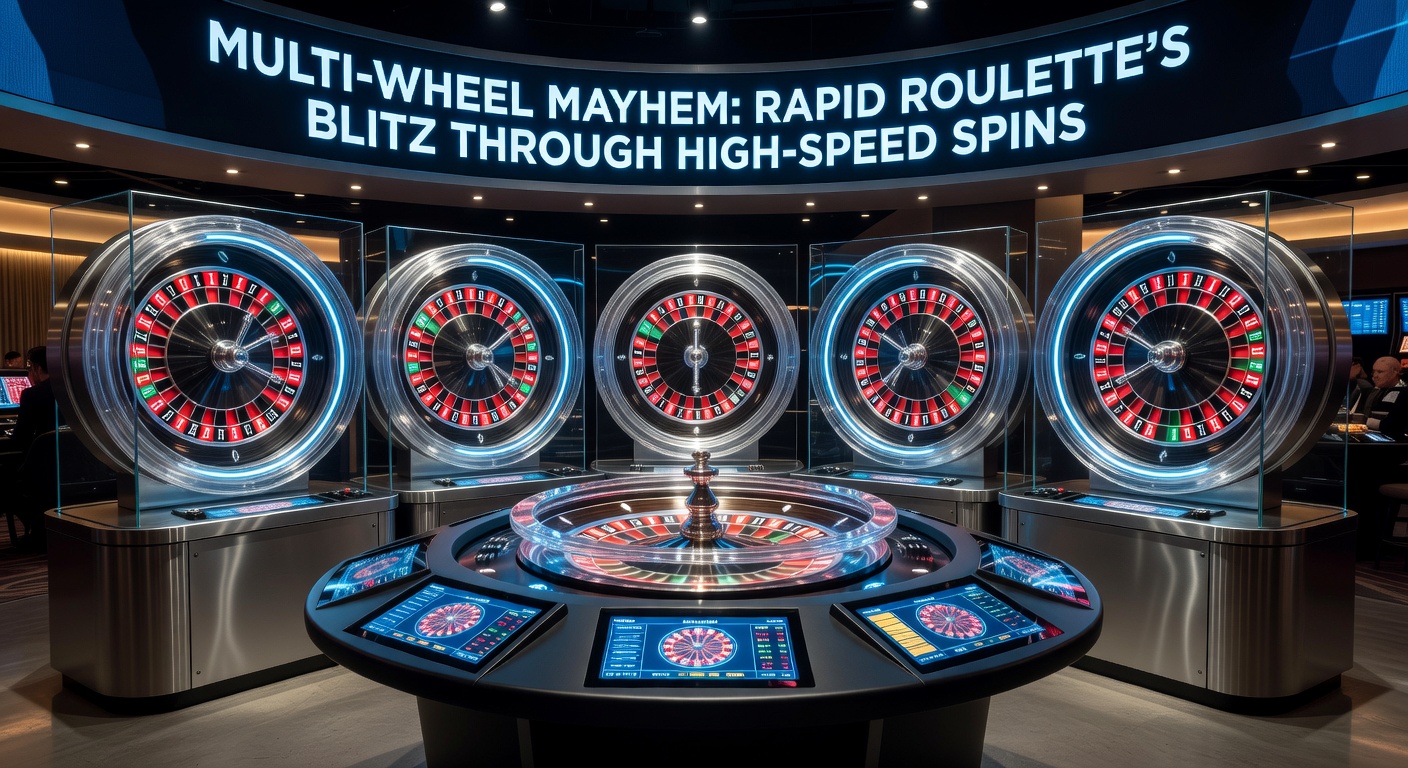
Players diving into the world of multi-wheel roulette encounter a spectacle where eight or more wheels whirl in unison, turning traditional spins into a frenzy of simultaneous action that keeps bets flying faster than ever before; this format, popularized in land-based casinos since the early 2000s, cranks up the pace while maintaining core roulette rules, and data from industry trackers shows participation surging by 25% across major venues in the past year alone.
How Multi-Wheel Roulette Transforms the Classic Game
Standard single-wheel roulette limits bets to one outcome per spin, but multi-wheel versions deploy up to 12 wheels at once, allowing players to place identical wagers across all of them for multiplied chances without altering house edges; operators like those in Las Vegas pioneered this in 2004 at properties such as the Wynn, where the setup features electronic displays tracking each wheel's independent results, and players wager on shared numbers or colors that apply universally.
What's interesting is how this scales gameplay: a single straight-up bet on red covers every wheel, potentially yielding payouts from multiple hits in one go, although each wheel retains its standard 2.7% European or 5.26% American house advantage since randomness stays intact; observers note that sessions stretch longer because the visual chaos—wheels clattering side by side—hooks attention, and casinos report average play times doubling compared to single-wheel tables.
Take the case of London's Hippodrome Casino, which introduced an eight-wheel model in 2018; figures there revealed 40% higher hourly turnover per table, blending the thrill of watching a dozen balls drop with streamlined betting via touchscreens that mirror choices across wheels instantly.
Rapid Roulette Enters the Fray: Speed Meets Multi-Wheel Madness
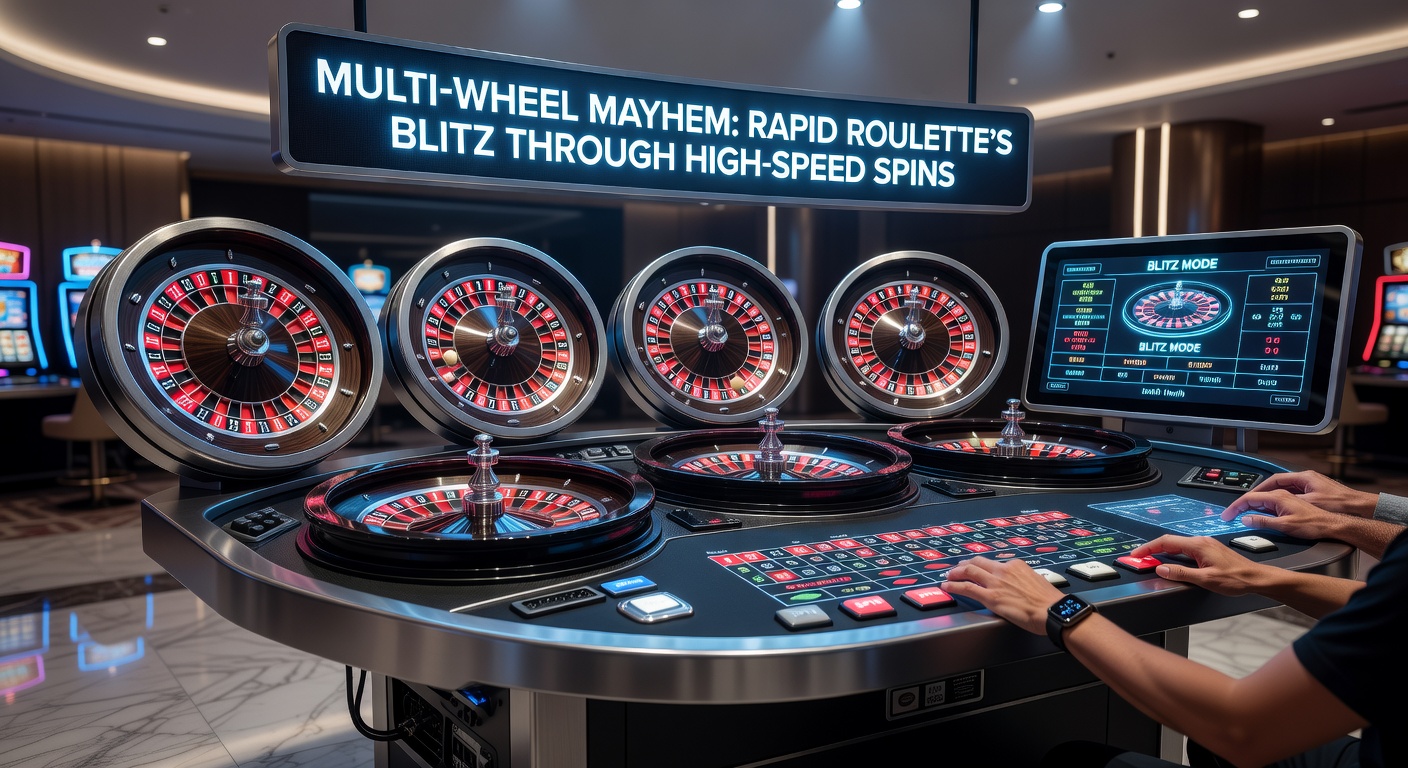
Rapid roulette takes the multi-wheel concept digital, slashing spin cycles to under 30 seconds through automated RNG software or live feeds from clustered physical wheels, and this hybrid emerged around 2010 from providers like Playtech and Evolution Gaming, who now dominate online platforms with versions boasting 60-80 hands per hour versus the standard 30-40.
But here's the thing: while land-based rapid setups use vacuum-assisted ball launchers for lightning results, online iterations leverage server-side simulations ensuring provable fairness via third-party audits; in March 2026, Evolution reported a 15% uptick in rapid roulette streams from European studios, attributing it to mobile optimizations that let players bet from apps during commutes or breaks.
Players often find the blitz exhilarating because side bets like "multi-wheel match" pay out when identical numbers land across wheels, adding layers without complicating base play; studies from gaming labs indicate retention rates climb 18% in high-speed formats since the constant motion combats downtime boredom that plagues slower games.
Popularity Surge: Numbers Don't Lie in the High-Speed Arena
Casino analytics paint a clear picture of multi-wheel and rapid roulette's ascent: Nevada Gaming Control Board data for Q1 2026 logs a 22% revenue boost from electronic roulette terminals in Reno and Vegas, where multi-wheel units now comprise 35% of table inventory; meanwhile, Australian venues under state regulations saw similar trends, with tabcorp reports showing 28% more sessions logged on rapid variants last quarter.
And it doesn't stop there—online metrics from aggregator sites reveal over 500,000 monthly spins on multi-wheel titles at top operators, driven by low minimums starting at £0.10 per wheel that draw casual players into prolonged play; one aggregator study highlighted how peak hours in Asia-Pacific zones spike 50% higher for these games, thanks to timezone-friendly live dealer feeds.
Those who've tracked player demographics notice a shift too: millennials and Gen Z favor the adrenaline, with 62% citing speed as the hook in surveys, while veterans appreciate the multiplied action without learning curves; turns out, the format's footprint expanded to cruise ships and airport lounges, where space constraints make compact multi-wheel pods ideal.
Behind the Scenes: Tech Powering the Mayhem
Modern multi-wheel mayhem relies on sophisticated RNG certification and live camera arrays capturing every bounce from remote studios, ensuring transparency that regulators demand; Evolution's Blitz variant, for instance, syncs eight physical wheels via high-def streams, processing bets in 22 seconds flat through AI-assisted outcome verification.
Yet precision matters: sensors detect ball landings to 0.1-second accuracy, feeding data to central servers that tally multi-wheel wins instantaneously, and this tech evolved from early 2000s prototypes tested in Monte Carlo, where initial glitches led to refined calibration standards now adopted globally.
So what about fairness? Independent labs like eCOGRA run millions of simulated spins annually, confirming variance aligns with theoretical models; in one such audit released last year, rapid roulette's payout consistency hit 97.3% RTP across 10 million trials, matching single-wheel benchmarks while amplifying volume.
Global Regulations Shape the High-Speed Landscape
Overseas, bodies like Australia's Gambling Research Centre enforce session speed caps at 60 spins hourly for electronic tables to curb excess play, while Canadian provincial agencies such as Ontario's iGaming oversight mirror this with mandatory pause features; these measures, rolled out post-2022 reviews, balance innovation against responsible gaming without halting the blitz.
Europe's framework varies too: Malta Gaming Authority mandates RTP disclosures for multi-wheel games, logging averages above 97% for European wheels, and recent 2026 updates require real-time loss limit alerts during rapid sessions; players in these jurisdictions benefit from geo-fencing that blocks high-speed access during designated cool-offs.
Observers point out how these rules foster trust, with compliance rates nearing 99% per quarterly audits, allowing formats to thrive amid scrutiny; that's where the rubber meets the road for operators balancing excitement with safeguards.
Prime Spots for Multi-Wheel Action Worldwide
Land-based hunters head to Macau's Wynn Palace, boasting 10-wheel arenas that hum 24/7, or Singapore's Marina Bay Sands with rapid pods integrated into VIP zones; stateside, Atlantic City's Borgata runs eight-wheel marathons drawing crowds nightly, and table minimums hover at $25 during peaks.
Online, platforms powered by NetEnt offer browser-based multi-wheel without downloads, while live dealer lobbies from Pragmatic Play feature customizable speeds up to 90 hands hourly; in March 2026, new launches in Ontario markets added French-language rapid tables, expanding reach to francophone players.
One notable setup unfolded at a Buenos Aires resort last year, where 12-wheel rapid roulette debuted to packed houses, generating buzz through social clips of synchronized black jackpots; such examples show the format's adaptability across cultures and currencies.
Conclusion: The Enduring Spin of High-Speed Roulette
Multi-wheel mayhem and rapid roulette have redefined pace in the casino realm, blending multiplied wheels with blistering spins that deliver volume without sacrificing roulette's essence; data underscores their staying power—from revenue jumps in Nevada to regulatory nods in Australia—and as tech refines further, expect even tighter integrations with VR for immersive blizzards of balls.
Players stepping into this blitz discover amplified opportunities wrapped in familiar rules, and with global adoption climbing steadily into 2026, the high-speed revolution shows no signs of slowing; it's a format where every session packs the punch of dozens, keeping the wheel's timeless allure spinning faster than ever.