How Certification Protocols Guide Variant Choices in Portable Wheel Entertainment Systems
Vera Keller · Aug 14, 2026
How Certification Protocols Guide Variant Choices in Portable Wheel Entertainment Systems
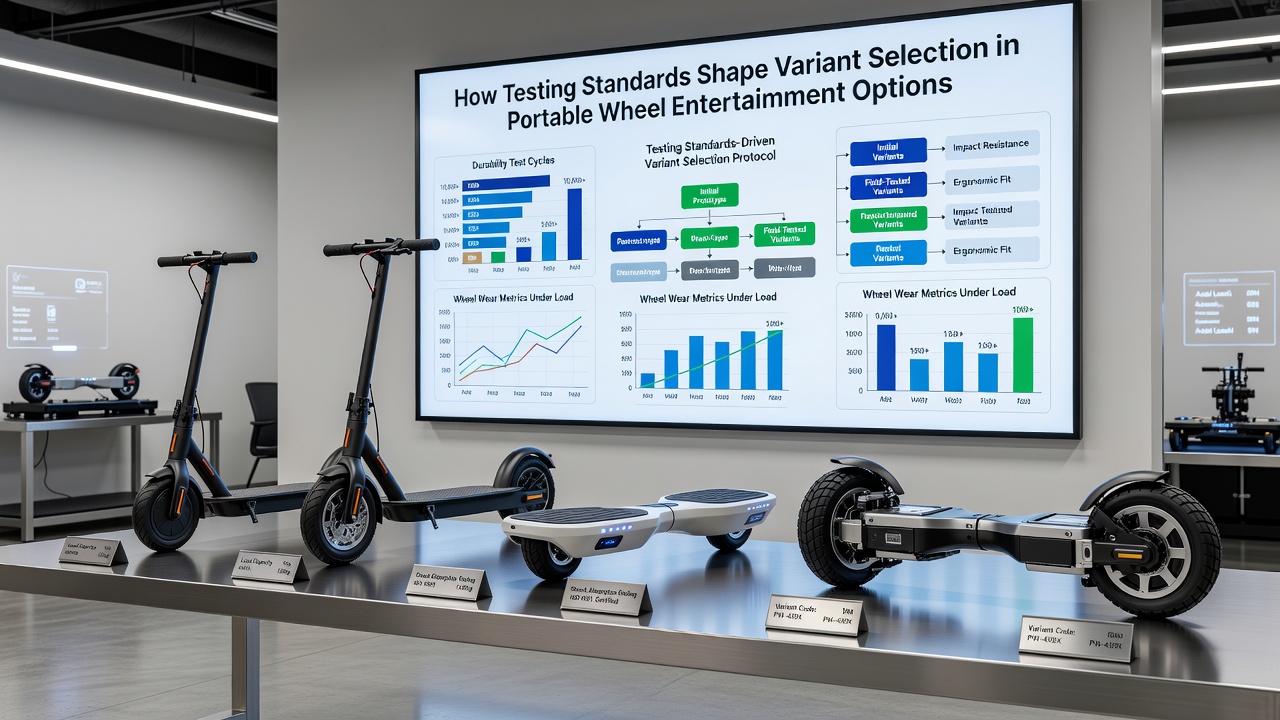
Portable wheel entertainment options have expanded rapidly as manufacturers develop compact, transportable versions of traditional wheel-based games for venues, events, and private settings, and testing standards play a central role in determining which variants reach the market. Laboratories evaluate physical components such as wheel balance, pocket depth consistency, and rotor friction under standardized protocols that include repeated spin trials and measurement tolerances. These evaluations directly influence whether a single-zero European-style wheel or a double-zero American variant receives approval for distribution in specific regions.
Core Elements of Wheel Testing Frameworks
Standards organizations establish benchmarks for randomness and durability that portable systems must meet before certification. Independent facilities conduct sequences of mechanical assessments that measure deflection angles, ball trajectory consistency, and material wear after thousands of cycles. Data collected during these trials determines if a given wheel design maintains statistical fairness across extended use periods. Manufacturers adjust pocket dimensions or rotor weights in response to preliminary results, which often leads to selection of variants that demonstrate superior performance under the strictest test conditions.
Regional Regulatory Influences on Variant Availability
Agencies in different jurisdictions apply distinct layers of scrutiny that affect product lines. The Nevada Gaming Control Board requires documented compliance with physical randomness criteria for any wheel equipment used in licensed environments, while the Malta Gaming Authority incorporates additional environmental stress tests for portable units. These requirements create selection pressure where variants with proven low-variance outcomes under multiple test regimes gain preference. In August 2026 several European testing bodies plan to align their mechanical evaluation methods with updated ISO guidelines, which observers expect will further narrow the range of approved portable models.
One study conducted by researchers at a European technical institute examined twelve portable wheel prototypes and found that only four satisfied the combined criteria for balance precision and pocket uniformity across temperature variations. The remaining designs required modifications that ultimately shifted manufacturers toward European single-zero configurations because those models required fewer adjustments to meet the thresholds. Such findings illustrate how empirical test outcomes steer commercial decisions rather than marketing preferences alone.
Impact on Material and Design Decisions
Testing protocols also extend to component materials and assembly methods. Laboratories assess corrosion resistance in wheels intended for outdoor or variable-climate use, and they record performance degradation after exposure to humidity cycles. Designs incorporating certain alloys or coatings consistently pass these stages, prompting producers to standardize those elements across their variant catalogs. Consequently, portable units featuring reinforced rotors and precision-machined pockets appear more frequently in certified product lists.
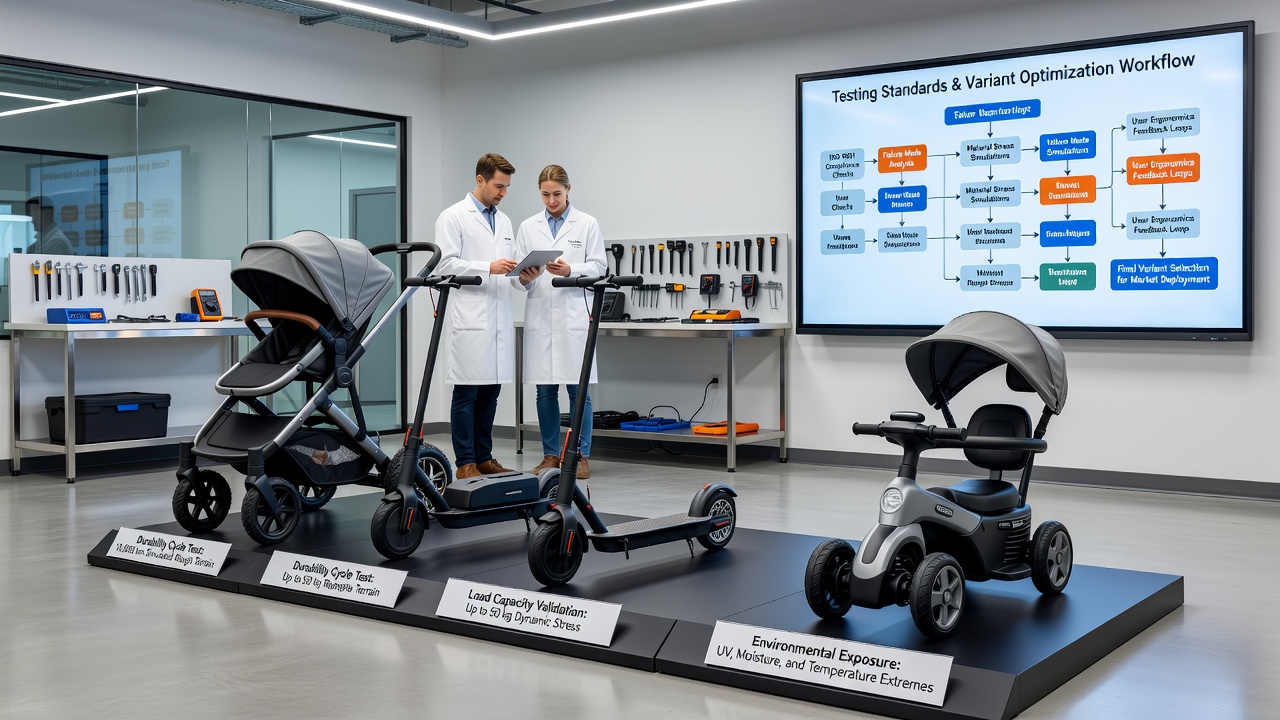
Industry reports compiled by Gaming Laboratories International highlight that certification success rates vary significantly between wheel types. Single-zero models achieved an 87 percent first-pass approval rate in recent evaluations, whereas double-zero variants required additional calibration cycles in 62 percent of submissions. These statistics guide procurement teams when selecting inventory for rental fleets or temporary installations, since certified equipment reduces compliance risks and operational downtime.
Emerging Trends in Portable System Certification
Advances in sensor technology now allow continuous monitoring during testing, generating detailed datasets on spin duration and ball deceleration patterns. Analysts compare these datasets against historical benchmarks to identify subtle design flaws that older manual inspection methods might overlook. As a result, newer portable variants incorporate incremental refinements such as adjusted frets or modified ball tracks that emerged directly from test feedback loops. This iterative process continues as standards evolve and laboratories adopt higher-resolution measurement tools.
Academic papers published through university engineering departments have documented correlations between specific testing parameters and long-term reliability metrics. One analysis tracked portable wheels over 18 months of simulated commercial use and noted that units passing the most rigorous initial protocols exhibited 34 percent fewer maintenance interventions. Such evidence encourages operators to prioritize variants backed by comprehensive certification records when expanding their entertainment offerings.
Conclusion
Testing standards function as gatekeepers that filter portable wheel entertainment variants based on measurable performance criteria. Manufacturers respond by refining designs to align with laboratory requirements, which in turn shapes the selection of models available to end users. Regional agencies maintain distinct yet overlapping frameworks that collectively determine which configurations achieve broad market access. Ongoing updates to evaluation methods, including those scheduled for implementation in August 2026, will likely reinforce these patterns as data collection becomes more precise and requirements more uniform across borders.