Global Trends in Accessibility Features for Wheel-Based Entertainment on Handheld Devices
Rosa Franke · May 27, 2026
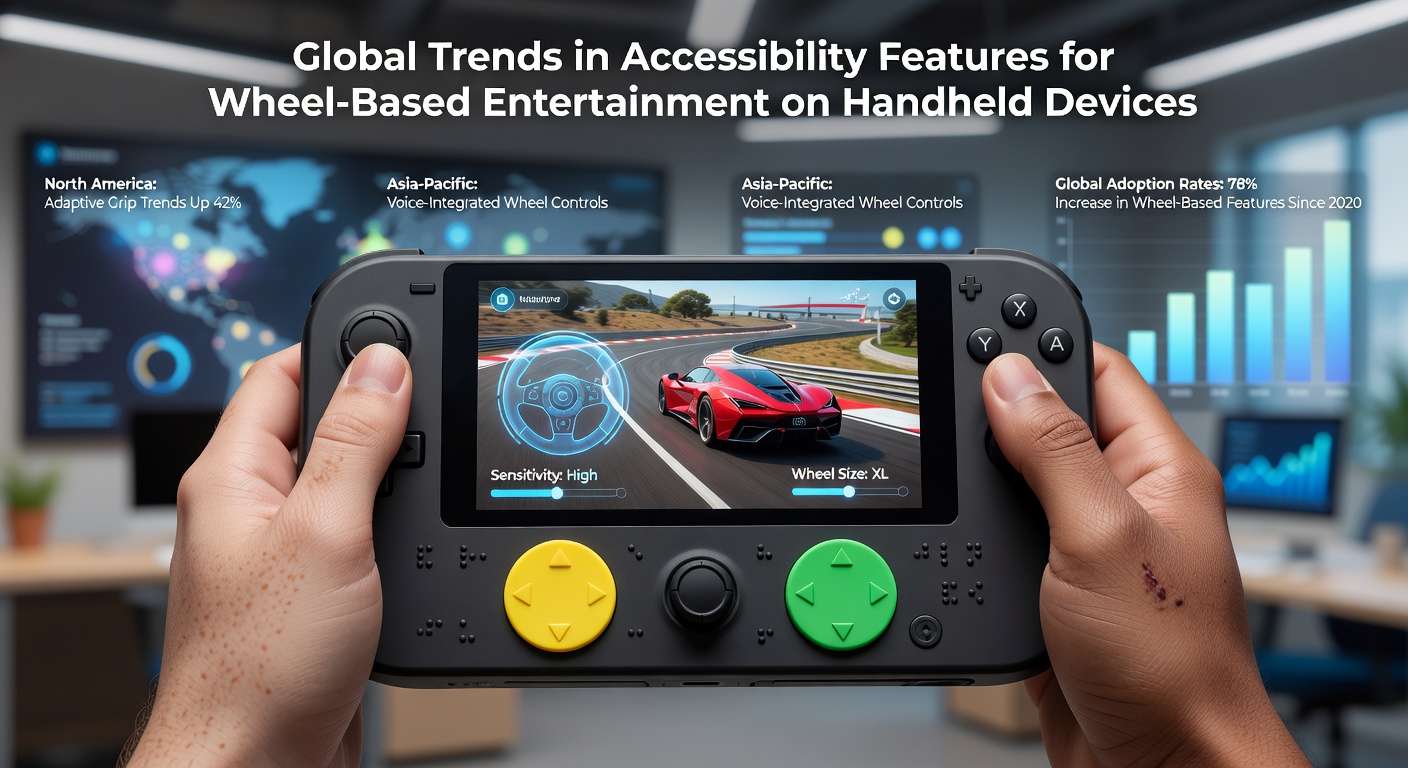
Global Trends in Accessibility Features for Wheel-Based Entertainment on Handheld Devices
Global trends in accessibility features for wheel-based entertainment on handheld devices show steady expansion as developers respond to regulatory pressures and user demand across multiple regions, and data from international reports indicate that mobile platforms now incorporate voice commands, screen reader compatibility, and customizable interfaces at higher rates than in previous years. Researchers tracking these developments note that handheld devices serve as primary access points for such entertainment, which means features addressing visual, motor, and cognitive needs have become standard considerations during app design cycles.
Regional Approaches to Accessibility Integration
North American markets lead in certain technical implementations because guidelines from the US Access Board establish clear benchmarks for digital interfaces, yet European and Asia-Pacific regions advance complementary standards that emphasize multilingual support alongside core accessibility tools. Observers note that Canadian provincial regulations, for instance, require similar compliance levels for gaming applications distributed within their jurisdictions, and this creates a patchwork of requirements that developers navigate through modular code structures.
Asia-Pacific developers have introduced gesture-based alternatives that reduce reliance on fine motor control, and studies compiled by regional industry groups reveal increased adoption of these options in markets where smartphone penetration exceeds 80 percent among target demographics. Meanwhile, Australian government accessibility initiatives have prompted updates to handheld entertainment platforms that include real-time captioning for audio cues and adjustable spin speeds to accommodate users with processing differences.
Technical Features Driving Current Adoption
Voice navigation systems now integrate directly with native device assistants on major operating systems, allowing users to select bet types, adjust wheel parameters, and confirm actions without touching the screen, and this capability has expanded since early 2025 updates rolled out across flagship devices. High-contrast modes automatically adapt to ambient light sensors while maintaining readability for users with low vision, and developers frequently combine these modes with scalable text options that preserve layout integrity during magnification.
Screen reader compatibility has improved through semantic markup in game interfaces, which means elements like wheel segments and payout tables receive accurate descriptions during navigation, and figures from accessibility audits conducted in early 2026 show compliance rates climbing above 65 percent for top-downloaded applications. Haptic feedback patterns provide non-visual confirmation of selections, and these patterns differentiate between successful spins and error states through distinct vibration sequences that users can customize.
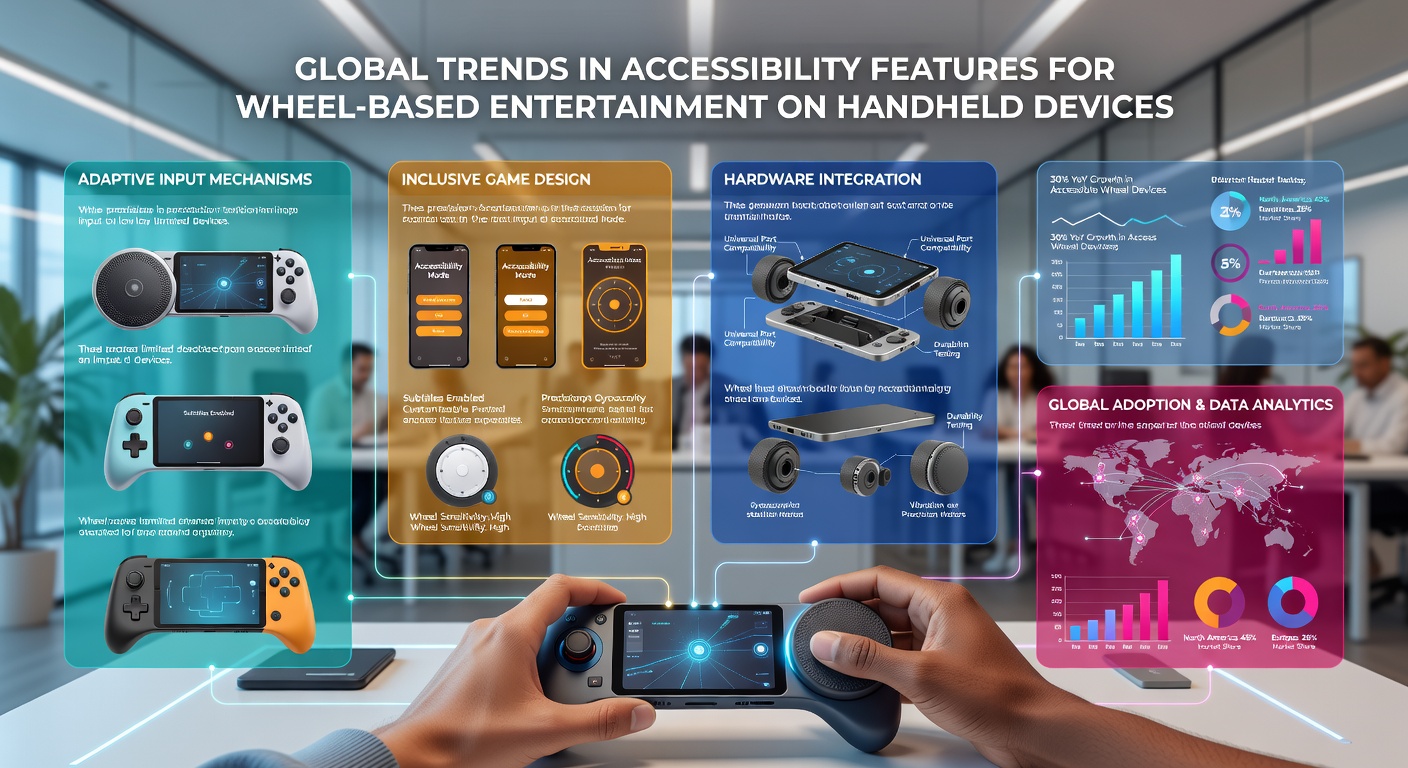
Impact of Standards Released Around May 2026
Standards updates circulated in May 2026 by international gaming associations emphasized testing protocols that evaluate accessibility across device orientations and network conditions, and these protocols encouraged developers to prioritize offline functionality for core features such as practice modes. Industry reports indicate that companies adopting these protocols early reported fewer user complaints related to interface barriers, while those lagging behind faced increased scrutiny from consumer advocacy groups.
Emerging practices also include AI-assisted personalization that learns individual preferences over time and suggests interface adjustments accordingly, yet implementation remains uneven across smaller development studios that lack resources for extensive machine learning integration. Data collected from user surveys in multiple countries shows that participants with motor impairments particularly value one-handed operation modes and programmable shortcuts that reduce repetitive gestures during extended sessions.
Challenges and Ongoing Adjustments
Despite progress, synchronization between accessibility tools and live-updating game elements continues to present technical hurdles, and developers address these through iterative testing with actual users who rely on assistive technologies. Battery consumption associated with always-on voice processing and enhanced haptic output requires careful optimization, which means many applications now include toggles that disable non-essential accessibility functions during low-power states.
Cross-platform consistency remains a priority because users frequently switch between iOS and Android devices, and frameworks that abstract accessibility APIs help maintain feature parity without duplicating development efforts. Regulatory bodies in several jurisdictions have begun publishing compliance dashboards that track voluntary submissions from entertainment providers, creating public benchmarks that influence consumer choices.
Conclusion
Global trends demonstrate that accessibility features for wheel-based entertainment on handheld devices continue to evolve through combined regulatory, technical, and market forces, and ongoing refinements suggest further integration of predictive assistance and adaptive interfaces in coming cycles. Those monitoring the sector point to sustained investment in inclusive design as a defining characteristic of current development roadmaps.