Bridging Practice Modes to Live Tables: How Studios Streamline Mobile Roulette Transitions
Sage Patterson · Aug 12, 2026
Bridging Practice Modes to Live Tables: How Studios Streamline Mobile Roulette Transitions
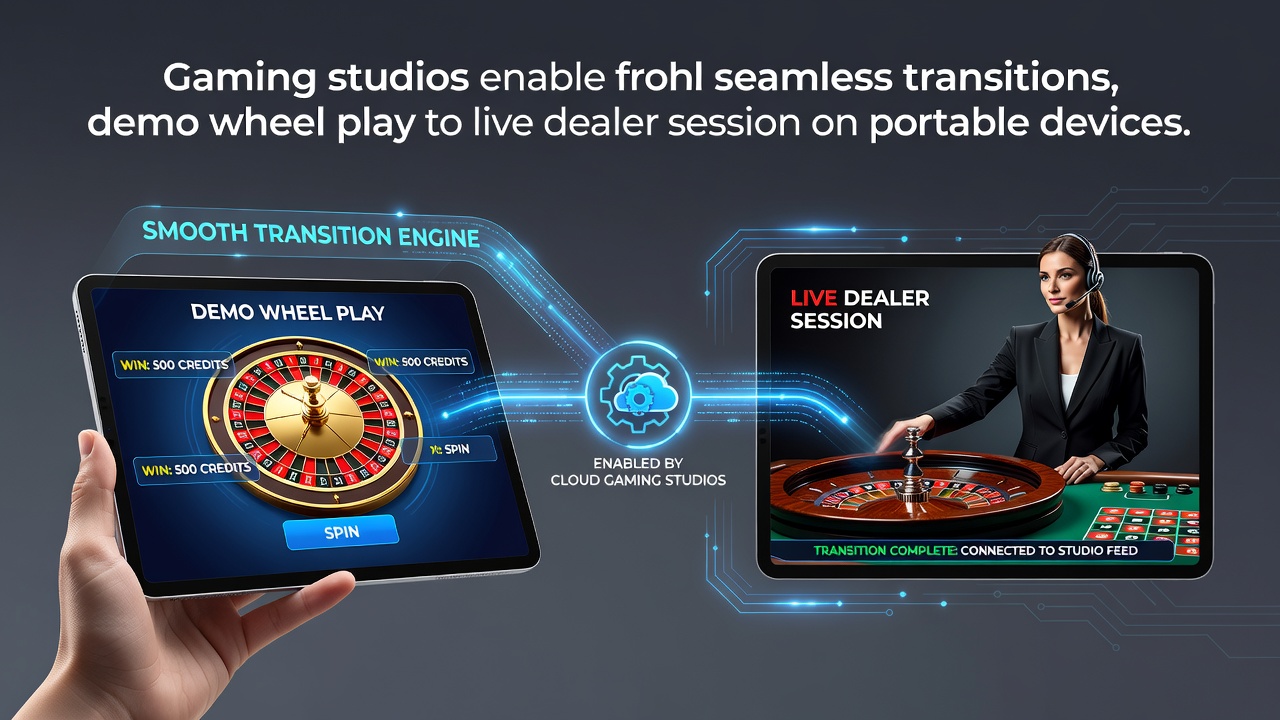
Studios develop integrated platforms that let players move from demo roulette wheels straight into live dealer sessions without separate logins or app reloads, and they achieve this through shared backend systems that carry over session data, balance information, and interface preferences across modes. Mobile optimization plays a central role because portable devices demand low-latency connections, responsive touch controls, and adaptive streaming that works on varying network speeds while maintaining visual consistency between practice and real play environments.
Core Technologies Behind the Switch
HTML5 frameworks combined with WebSocket protocols enable real-time data exchange so that a player who starts on a demo wheel can continue with the same account details once they select live dealer mode, and cloud-based rendering handles the graphics load on the device side while the studio servers manage dealer feeds and game logic. Research from the European Gaming and Betting Association indicates that these unified architectures reduce transition times to under three seconds on average across major operators, which keeps engagement levels steady as users shift contexts on tablets or smartphones.
Device detection scripts automatically adjust resolution, button placement, and audio settings to match the hardware in use, whether that involves iOS or Android operating systems, and this automation prevents the interruptions that once forced players to restart sessions when moving between practice and paid tables.
Account Integration and Session Continuity
Single sign-on systems link demo accounts directly to verified player profiles, so balance transfers and progress tracking occur automatically once a user decides to enter a live dealer room, and operators apply the same responsible gaming limits across both environments to maintain compliance. Data released in August 2026 from industry tracking firms shows that mobile sessions involving seamless mode switches now represent over 60 percent of total roulette activity in regulated markets, reflecting widespread adoption of these backend connections.
Observers note that push notification systems alert users when live tables open with preferred dealer styles or stake ranges, drawing them from demo play without requiring manual navigation through menus, and this feature works alongside in-app messaging that previews table conditions before the switch completes.
Network and Performance Adaptations
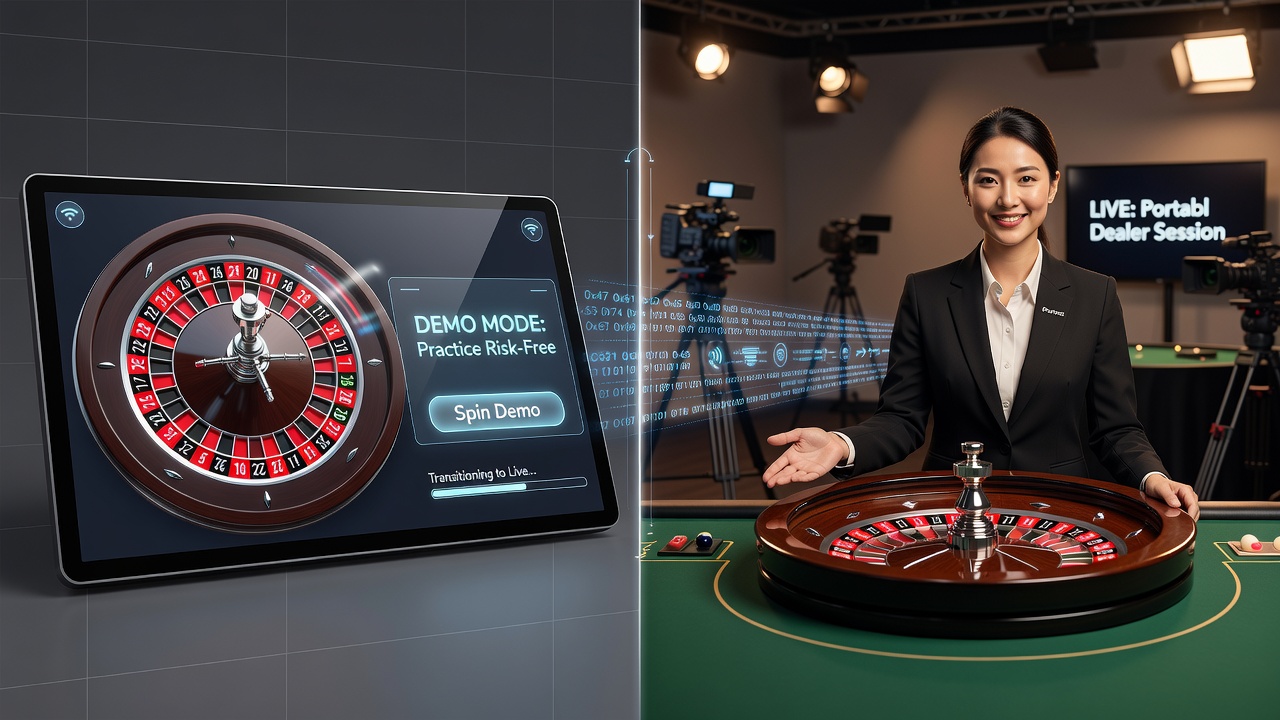
Studios implement adaptive bitrate streaming for video dealer feeds, which scales quality based on available bandwidth while the demo wheel operates on lighter local processing, and this dual approach prevents lag when players cross into live sessions on cellular or Wi-Fi connections. Testing protocols run continuous checks for packet loss and latency spikes, allowing the platform to buffer or reroute connections before users notice disruptions during the handoff.
Take one development team that integrated edge computing nodes near major mobile carrier hubs, which shortened the distance data travels between the player's device and the live dealer server, and similar efforts appear in reports from the American Gaming Association that highlight reduced dropout rates during mode changes on portable hardware.
Regulatory and Security Considerations
Compliance frameworks require that demo play accurately mirrors live odds and rules without introducing artificial advantages, so studios embed the same random number generators or physical wheel feeds in both modes, and encryption layers protect the transition process itself from interception on public networks. Independent audits verify that session continuity does not compromise player data isolation, maintaining separate ledgers until a verified switch occurs.
What's interesting is how geolocation services confirm device location before live access activates, preventing unauthorized transitions while still permitting demo access in restricted areas, and this layered verification runs in the background without adding visible steps for the end user.
Future Developments in Mobile Integration
Emerging work focuses on cross-device handoffs that let a player begin on a phone demo wheel and finish on a tablet live table with full continuity, using cloud-saved states that sync across multiple screens, and early pilots show promise for maintaining immersion during device changes. Industry reports continue to track how these refinements affect overall session duration and player retention metrics across different regions.
Conclusion
Studios achieve smooth transitions by aligning backend infrastructure, mobile-specific adaptations, and security protocols so that demo wheel practice flows directly into live dealer sessions on portable devices, and ongoing refinements in streaming and account management support this process as usage patterns evolve through 2026 and beyond.